FREE SHIPPING FOR ORDERS OVER €100 FOR GREECE


Amber

-16%
Handmade Baltic Amber Komboloi in Cognac Color
Original price was: 141,00 €.119,00 €Current price is: 119,00 €.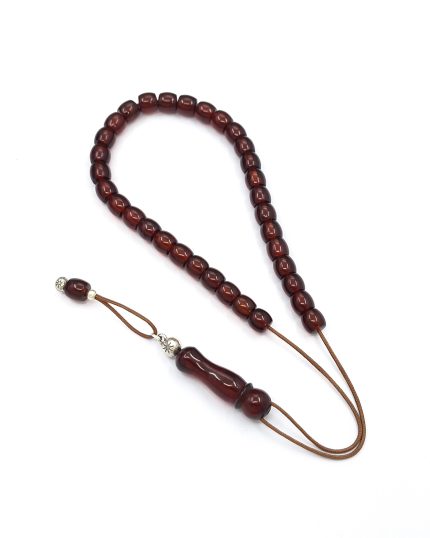
-16%
Handmade komboloi made of genuine Baltic amber with 925 sterling silver fittings
Original price was: 215,00 €.180,00 €Current price is: 180,00 €.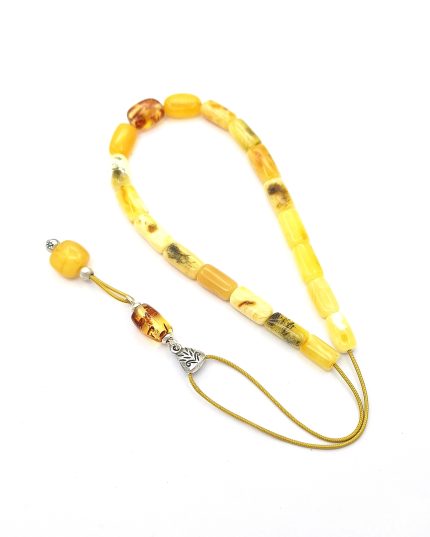
-16%
Royal Baltic Amber and Sterling Silver 925 Komboloi
Original price was: 225,00 €.190,00 €Current price is: 190,00 €.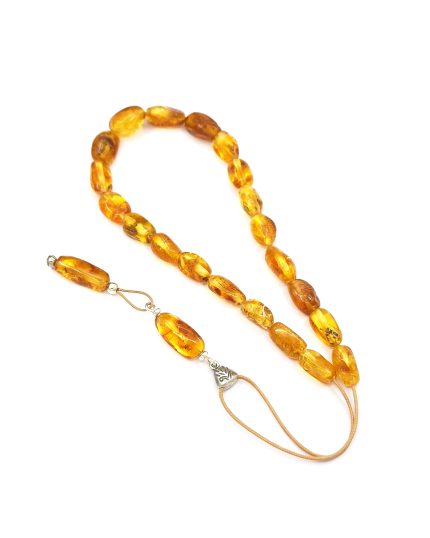
-15%
Handmade komboloi made of genuine Baltic amber with 925 sterling silver fittings
Original price was: 240,00 €.205,00 €Current price is: 205,00 €.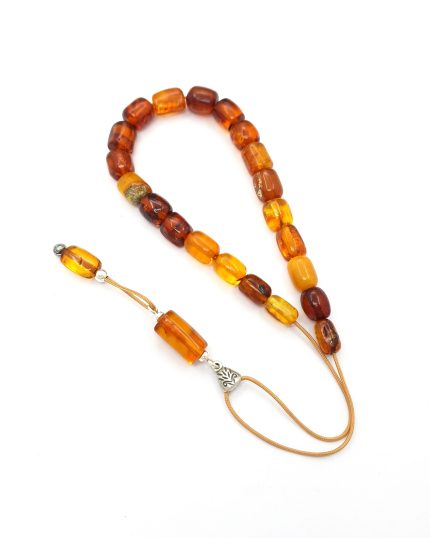
-15%
Handmade multicolor Baltic amber komboloi with sterling silver 925
Original price was: 275,00 €.233,00 €Current price is: 233,00 €.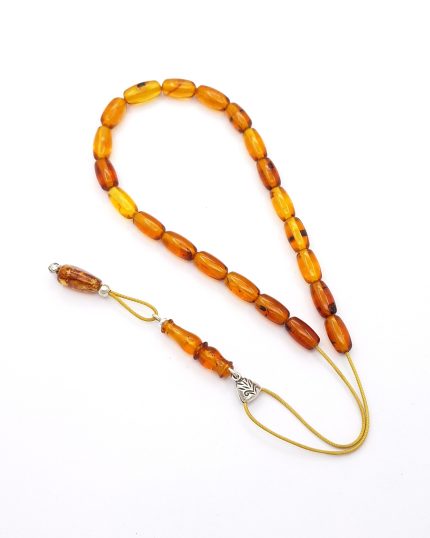
-14%
Baltic Cognac amber komboloi in cognac color with 925 silver
Original price was: 280,00 €.240,00 €Current price is: 240,00 €.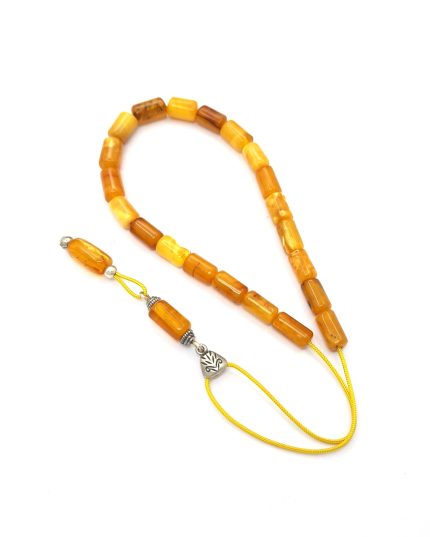
-16%
Handmade komboloi from genuine Baltic amber with sterling silver 925
Original price was: 290,00 €.245,00 €Current price is: 245,00 €.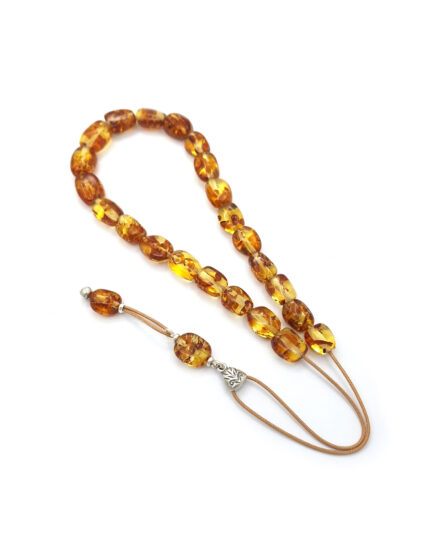
-15%
Baltic Amber komboloi with Inclusions and Sterling Silver 925
Original price was: 298,00 €.253,00 €Current price is: 253,00 €.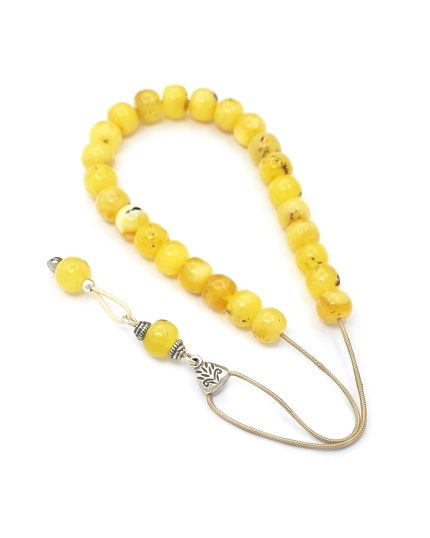
-15%
Handmade Komboloi from Royal Baltic Amber
Original price was: 330,00 €.280,00 €Current price is: 280,00 €.
-17%
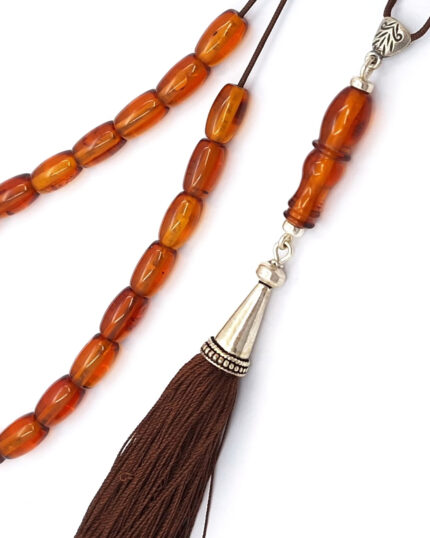
Baltic Cognac amber kompoloi with 925 silver and silk
Original price was: 360,00 €.300,00 €Current price is: 300,00 €.
-16%
Baltic Cognac amber kompoloi with 925 silver and silk
Original price was: 365,00 €.305,00 €Current price is: 305,00 €.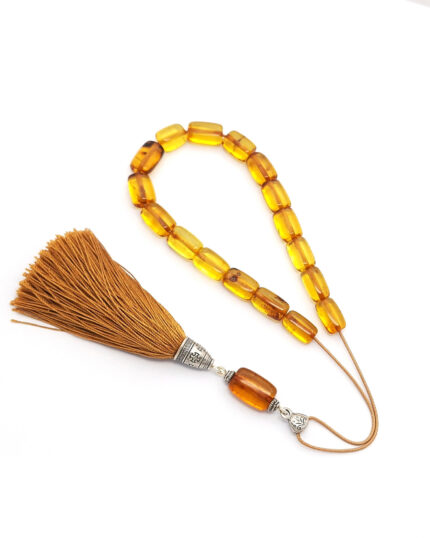
-15%
Baltic amber kompoloi in cognac color with 925 silver and silk
Original price was: 400,00 €.340,00 €Current price is: 340,00 €.Amber Komboloi – Authentic, Handmade, Collectible
At Eftehnon you will find a unique collection of amber komboloi, crafted with respect for tradition and love for art. Genuine amber, with millions of years of history, gives each komboloi its distinctive glow and texture. No bead is ever the same; every amber komboloi is truly one of a kind, just like its owner.
The History and Nature of Amber
Amber is the fossilized resin of coniferous trees, rich in succinic acid, which gives it its unique properties. Its age ranges from 30 to 100 million years, making it one of the oldest and rarest natural materials in the world.
The Formation of Amber
Formed under pressure and heat, resin first turns into copal and, after millions of years, becomes precious amber. Most resins decay over time, which is why amber is so rare and valuable.
The Variety of Colors
Amber ranges in color from light honey yellow to deep brown. Each shade depends on the tree species and geological conditions, making every amber komboloi unique.
The Value of Amber
Inclusions of plants or insects increase its value and make it highly sought after by collectors and scientists. The decreasing extraction from the Baltic, its main source, contributes to rising prices.
The Etymology of Amber
The word “amber” comes from the Arabic kahruba, meaning “that which attracts straw,” referring to its ability to electrify when rubbed. The ancient Greeks called it electron, giving rise to the word electricity.
Why Choose an Amber Komboloi
Superior sound and texture
Ideal and timeless gift
Collectible piece of great value
Believed to bring positive energy and well-being
Amber Komboloi – Frequently Asked Questions
How can I identify genuine amber?
With the naked eye and touch you only get indications (light weight, warms in the hand, sometimes UV fluorescence). Certainty comes only through laboratory analysis such as FTIR spectroscopy or carbon dating (C14), which reveal whether it is copal (younger resin) or true amber.
Does amber always have imperfections?
No. High-quality material is carefully selected and cut into perfect, symmetrical beads without blemishes. These are more expensive, since much raw material is discarded. Beads with visible marks or irregular shapes may still be genuine amber, but they are considered lower grade and priced more economically. Uniform beads also slide more smoothly on the string and produce a clearer sound.
What are the most common imitations?
Common imitations include copal (younger resin), pressed amber (ambroid), phenolic resins such as Faturan, and historical resin blends like Sudurus. Although they are not amber, some have gained their own collectible value.
Is amber resistant to chemicals?
Amber is more resistant than copal, but not indestructible. Prolonged exposure to strong solvents or metal cleaners can dull its surface. It should be cleaned only with a soft dry cloth, avoiding chemicals.
Are amber worry beads collectible?
Yes, especially when the beads are large, uniform, rare in color, or contain inclusions. Collectible value depends on quality, origin, rarity, and condition.