FREE SHIPPING FOR ORDERS OVER €100 FOR GREECE


Archaic Jewelry: Art, Symbolism and Culture in Ancient Greece
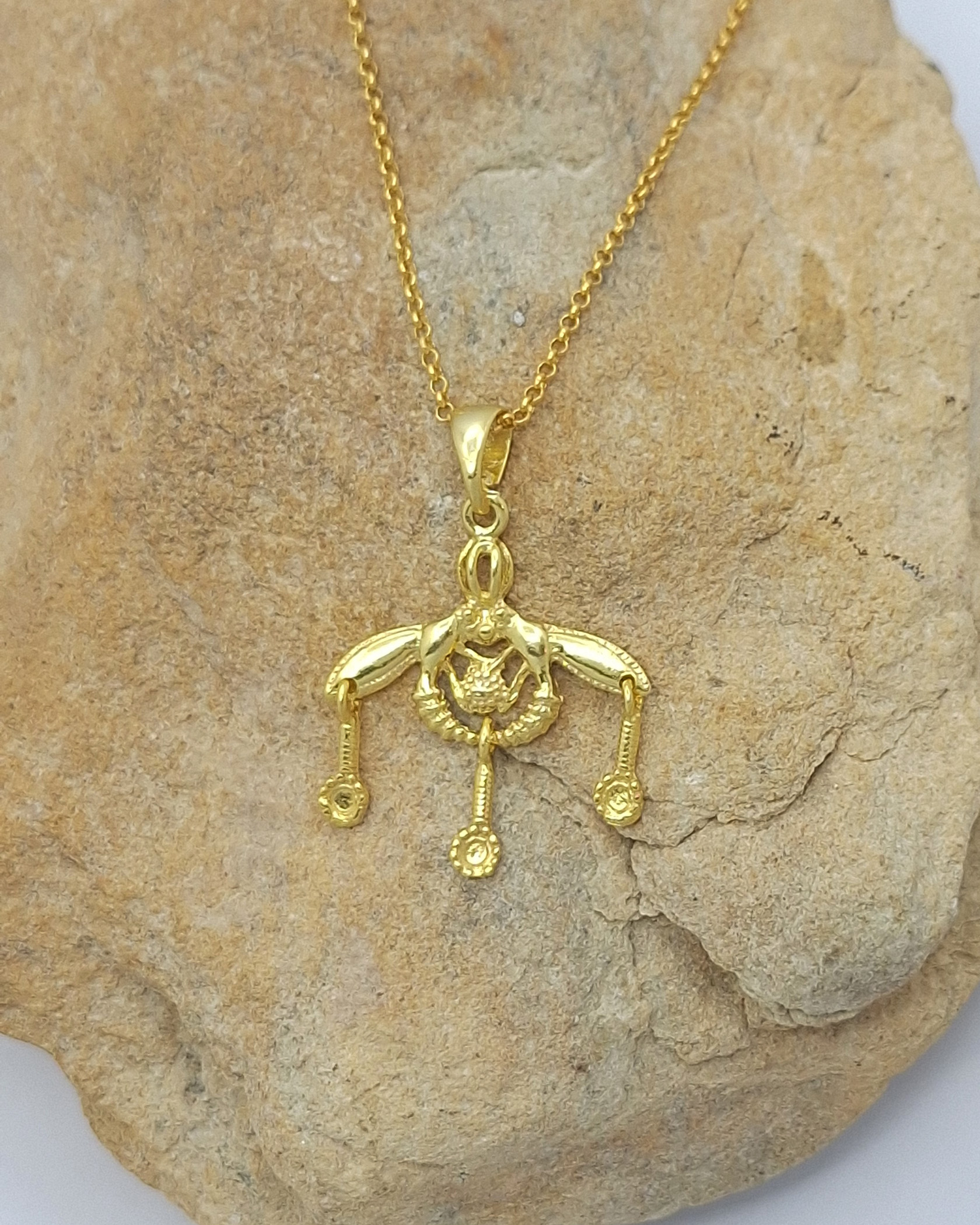
Archaic Jewelry: Art, Symbolism and Culture in Ancient Greece
Archaic jewelry represents a fascinating aspect of ancient Greek art and culture. From the Minoan and Mycenaean civilizations to the Archaic and Classical periods, Greek artisans created jewelry of remarkable beauty and technical skill. These creations reflect aesthetic ideals, religious beliefs, and the social structure of ancient Greek society.
In ancient Greece, jewelry was crafted from a wide range of materials. Gold held a central role, alongside silver, bronze and, in some cases, iron. Precious and semi-precious stones such as carnelian, onyx, lapis lazuli, emeralds, sapphires and pearls were frequently used, adding both visual richness and symbolic meaning. Techniques such as casting, hammering, engraving and stone setting reveal the advanced craftsmanship of ancient Greek goldsmiths.
The forms and motifs of ancient Greek jewelry drew inspiration from nature, mythology and everyday life. Animals such as birds, fish and reptiles, as well as plant motifs like flowers and leaves, appear frequently. At the same time, geometric symbols including spirals, circles and cross-like forms carried symbolic meaning connected to cosmological ideas and religious beliefs.
Jewelry in ancient Greece served not only decorative purposes but also fulfilled social and symbolic functions. It was worn to adorn the body, offer protection against evil, and express social status, wealth or personal identity. Many pieces were regarded as amulets, while others were associated with specific deities and believed to possess protective or healing qualities.
The evolution of Greek jewelry is closely linked to historical periods. Minoan jewelry is known for its elegance and naturalistic forms, while Mycenaean jewelry displays greater complexity and Eastern influences. During the Geometric period, abstract and repetitive motifs dominated. The Archaic period introduced a rich variety of shapes and symbols, while in the Classical period, jewelry became more refined and realistic, often depicting scenes from mythology and daily life.
Conclusion
Ancient Greek jewelry constitutes an invaluable source of knowledge about the art, religion and society of ancient Greece. The diversity of materials, technical excellence and deep symbolism make these objects timeless works of art that continue to inspire contemporary jewelry design.
The content of this article is based on archaeological evidence, historical studies and museum collections related to ancient Greek art and jewelry-making.
If you wish to explore contemporary creations inspired by ancient Greek jewelry, you can browse the Archaic Jewelry collection here:
https://www.eftehnon.com/en/c/jewelry/?filter_syllogi=archaic-jewels
© Eftehnon – All content is protected by intellectual property rights.
Reproduction or redistribution is permitted only with proper attribution to the source.